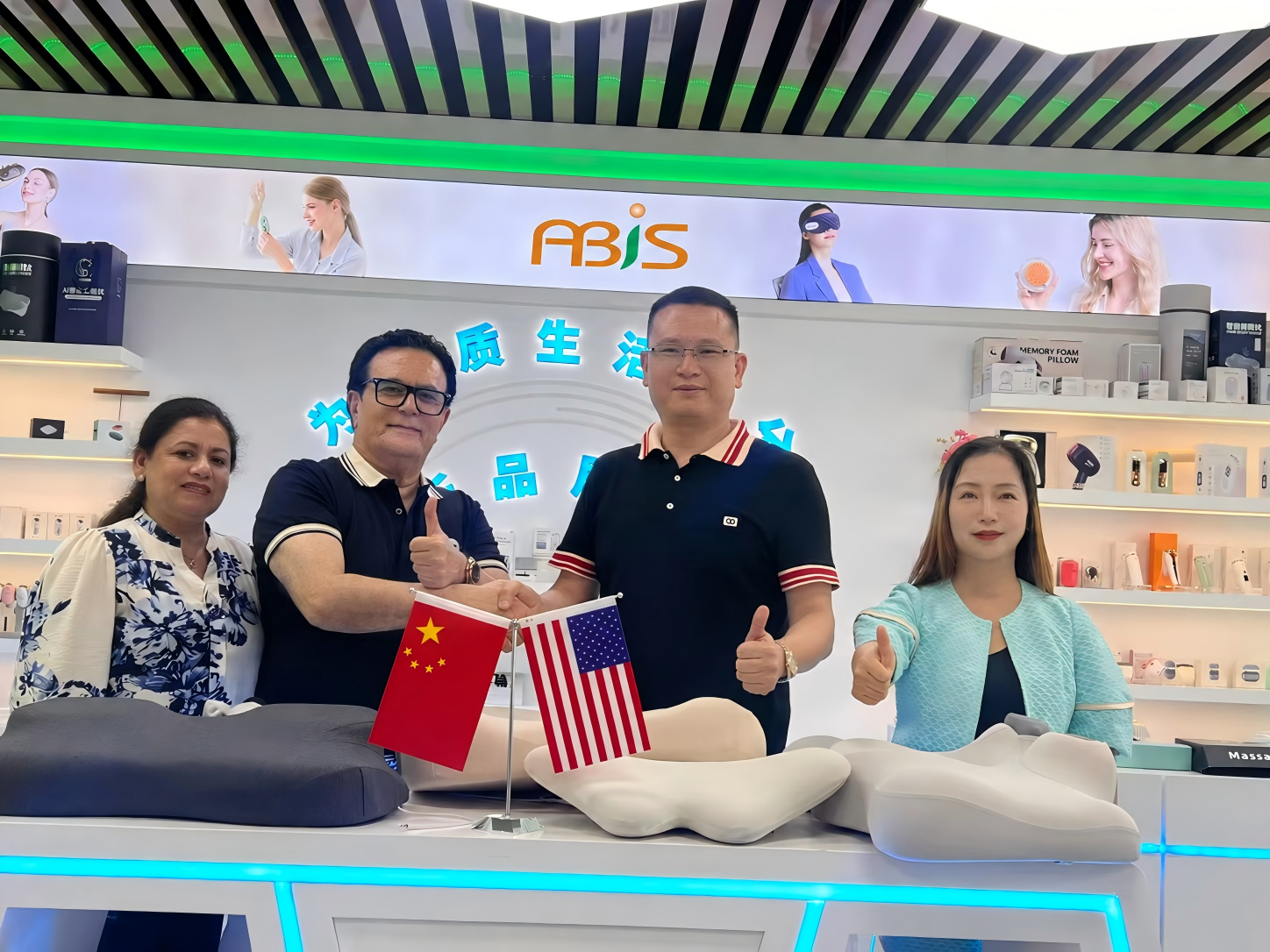
ABIS outlines M001 product features, OEM/ODM customization and wholesale sourcing considerations for wellness brands
SHENZHEN, GUANG-DONG, CHINA, November 15, 2026 /EINPresswire.com/ — Adult sleep-product sourcing requires close attention to electrical design, user instructions, product claims and documentation for the destination market. For brands and retailers, these considerations sit alongside appearance, usability and purchasing terms. A product that looks attractive online must also give the commercial team a clear account of what customers receive, how it is operated and how the supplier will support the agreed version.
ABIS is highlighting its M001 handheld product and related business cooperation options through its adult sleep aid collection. As a Sleep Aid Device Massager Manufacturer https://www.abislife.com/sleep-aid-device-for-adults/, the company presents a starting point for wellness brands, importers and distributors considering a compact addition to their product range. The emphasis is on evaluating a defined product before agreeing branding, development and order requirements.
A compact product with details buyers can evaluate
The M001 specification lists dimensions of 26.97 × 30.38 × 73 mm, a 500 mAh battery, and ABS and stainless steel construction. Its reference box measures 58 × 78 × 120 mm. The listed set contains the device, a silicone wrist strap, a USB charging cable and a user manual. The product detail page also lists a net weight of 44 g. These are published reference specifications; the version supplied should be confirmed with the order. View M001 product details.
Those physical details give purchasing teams concrete material for evaluation. A retailer can assess how the sample fits a counter display, while a brand can test how clearly photography communicates its size. A distributor can use the packaged sample to plan storage and handling, then request shipping measurements for the final carton configuration.
The review should include the whole set. How the cable, instructions and device are arranged affects the first impression when a customer opens the box. An orderly presentation also helps staff explain exactly what is included.
The rechargeable format also gives merchandising teams a specific feature to explain at the point of sale. The customer-facing materials can show the charging connection and identify the supplied cable, while the manual provides the operating requirements. During sample evaluation, buyers can check whether these details are easy to find and whether the proposed package keeps the cable accessible and neatly organized.
Making the operating concept understandable
ABIS describes M001 as a palm-contact microcurrent device intended for relaxation and winding down. Its presentation shows a metal contact area, adjustable stimulation controls and USB recharging.
For a commercial buyer, those features suggest several useful sample-review tasks. The evaluator can examine the grip, locate the controls, follow the supplied instructions and record where an unfamiliar user might need a clearer explanation. The resulting observations can inform packaging copy and a short product demonstration.
A useful retail presentation starts with visible, verifiable information: the device format, supplied accessories, control layout and approved operating instructions. Claims about sleep outcomes should remain within the evidence available for the selected model. The product name alone does not establish a particular therapeutic effect.
This gives a sleep aid device supplier and its customer a shared communication brief. Purchasing, marketing and support teams can work from the same approved description, helping keep the product page, printed manual and retail conversation consistent.
Private-label choices that support a recognizable range
For an established wellness business, visual continuity can matter as much as adding another item to the catalog. A new product should look related to the brand’s existing range while remaining easy to identify in its own right.
ABIS lists project options covering Pantone colors, laser engraving or silkscreen logos, retail packaging and working-mode customization. Its development presentation includes design, electronics, tooling and prototype review. Review the customization overview.
A sleep aid device project with a custom logo can begin with a focused visual brief. The brand supplies its artwork, preferred placement, color references and examples of existing packaging. The sample review then checks whether the mark is legible, whether the finish suits the intended presentation and whether the device and box work together.
For a customized sleep aid device, differentiation can also come from careful information design. Clear instructions, an intelligible contents diagram and coordinated product photography help explain the offer. A buyer does not need to request every available change to establish a recognizable product; it needs to identify which changes serve its customers and commercial position.
Choosing an OEM or ODM scope that matches the project
An OEM sleep aid device inquiry benefits from a precise distinction between the reference product and the proposed branded version. The initial brief should identify what the buyer expects to retain, what should change and what must be confirmed through samples.
For example, a project centered on artwork and retail presentation can be evaluated against an existing physical sample. A request involving different controls, revised operating behavior or a changed enclosure needs a more detailed technical discussion. Treating these as separate scopes makes quotations and approvals easier to compare.
An ODM sleep aid device project should also specify the intended user experience before detailed design begins. Useful questions include how users identify the operating state, where instructions are needed and how accessories fit into the complete product concept.
The commercial value of a development brief is its ability to make decisions visible. Each proposed change should have an owner, an approval point and a defined outcome. Buyers can then discuss design work, sample iterations and production preparation without treating an early concept image as a finished specification.
That structure helps both a new brand and an experienced importer decide which level of customization is appropriate for the first order.
Quality capability belongs in the sourcing conversation
ABIS’s company profile reports ISO 9001:2015 certification and lists BSCI, CE, RoHS and FCC references. It also describes incoming, in-process and final inspections, with production resources including SMT equipment, injection molding, function-test fixtures and aging-test racks. These company-reported capabilities provide subjects for a supplier review. Read the ABIS company profile.
A buyer can connect that review directly to the product sample. Relevant discussion points include housing finish, assembly consistency, control response, charging behavior and completeness of the packaged set. Where an inspection result depends on a particular configuration, the record should identify that configuration clearly.
Documentation should likewise be matched to the ordered model, issuing or testing organization, applicable scope and current validity. Factory-level records and model-specific documents should be clearly identified so each item supports the appropriate part of the supplier review.
The practical objective is a purchasing decision supported by evidence. A brand should be able to relate the sample it approved to the specification, packaging artwork and inspection requirements attached to its order. That connection is particularly useful when responsibility passes from product development to purchasing and then to the team receiving the goods.
Experience relevant to international wellness buyers
ABIS identifies Europe, the Americas and Australia among its export markets. Its wider product experience includes white noise machines and other sleep-related products. The company also lists sample support, mold development, certification assistance and technical support among its services.
For an adult wellness project, this background creates useful discussion points around overseas packaging, localized instructions and coordination between development and purchasing teams. Prospective partners can ask for examples relevant to their own product scope and market rather than assume every previous project followed the same requirements.
Building a product presentation for retailers
A sleep aid device for retailers needs a product story that staff can explain and customers can follow. The opening explanation should establish what is in the box and which features the customer will interact with. A demonstration can then follow the approved instructions in a clear sequence.
For online retail, a useful image plan might include the device in the hand, a close-up of the controls, the charging connection and the complete package contents. Each image should answer a specific purchasing question. Text can supply the details that photographs cannot reliably communicate.
For a business developing an adult relaxation collection, the M001 can be assessed alongside existing accessories without assuming that every item belongs in a bundle. Merchandising teams should consider customer relevance, instructional clarity and how the products will be presented together.
The same preparation supports distributor discussions. An accurate product sheet, approved photographs and a concise explanation of customization scope give channel partners material they can review. This is a practical way to prepare a sleep aid device for business customers who need both product information and a coherent retail presentation.
Making wholesale and factory price comparisons useful
A wholesale sleep aid device quotation is most useful when its scope is explicit. Device configuration, included accessories, logo treatment, packaging, order quantity and delivery responsibilities should be visible in the commercial discussion.
For buyers seeking a factory price, the meaningful comparison is between equivalent offers. A lower unit figure may reflect a different package, fewer included services or a different quantity assumption. Asking for itemized options helps the purchasing team understand which decisions change the cost.
A bulk sleep aid device order also requires attention to the relationship between opening stock and replenishment. Buyers can distinguish quantities intended for initial distribution, demonstration and subsequent sales, then discuss an order plan suited to those purposes.
An initial inquiry can remain concise while still being useful. The buyer’s destination, sales channel, expected volume, branding requirements and preferred delivery window establish a commercial context. Unresolved details can then be identified before a quotation becomes the basis of an internal budget or purchasing commitment.
Moving from sample evaluation to an approved order
A sample is an opportunity to test the product presentation as well as inspect the hardware. Procurement can review the proposed configuration, marketing can assess the visual identity, and support staff can read the instructions as a first-time customer would.
Combining those observations in one review helps prevent conflicting requests. A packaging revision should not be approved in isolation if it changes a model name used in the manual. Similarly, a product photograph should represent the configuration the buyer intends to sell.
Before approving production, the parties can record the accepted sample, final artwork, package contents and any agreed changes in a single order reference. Inspection expectations and the procedure for handling discrepancies should be clear enough for another team member to follow.
If the proposed business model involves dropshipping for sleep aid devices, buyers should confirm service availability and terms separately. Dispatch destinations, tracking, branding and returns handling need explicit agreement. A wholesale supply discussion does not by itself establish an individual-order fulfillment arrangement.
After-sales planning that supports the retail relationship
ABIS’s published service description includes a one-year warranty, technical assistance and spare-parts support. The terms applicable to the selected product and transaction should be recorded with the order. Review the company’s service overview.
For retailers, support preparation begins before the first customer question. The business needs a current manual, an agreed technical contact and a clear process for sending product observations to the supplier. Recording the model and order reference makes that exchange more specific.
Brands should also decide who maintains customer-facing information after a product or packaging revision. Consistent instructions across the website, printed materials and support responses help preserve a coherent customer experience as the range develops.
A supplier checklist for the next purchasing discussion
Buyers considering ABIS can use the following checklist to organize a sample request or supplier review:
– Product fit: Define the adult customer group, intended presentation and role within the existing range.
– Sample specification: Check the physical format, materials, controls, charging requirements and included accessories.
– Brand identity: Review logo placement, color references, packaging artwork and instruction languages.
– Development scope: Separate branding changes from functional or structural development and agree approval stages.
– Quality evidence: Request relevant management-system records, social compliance information and product documentation.
– Order basis: Confirm quantities, quotation inclusions, minimum order requirements and delivery assumptions.
– Fulfillment plan: Agree shipping responsibilities and any requested dropshipping arrangements.
– Support readiness: Record warranty terms, technical contacts and the process for handling customer issues.
This review gives prospective partners a basis for including ABIS in their Sleep Aid Device Massager Manufacturer shortlist. Buyers ready to discuss a project can send their target market, estimated quantity and customization brief through Get Instant Quote.
About ABIS
Shenzhen ABIS Smart Home Technology Co., Ltd., established in 2010, specializes in sleep-related products and provides OEM and ODM services. Its portfolio includes handheld sleep aids and white noise machines for business sourcing and brand-development discussions.
Business and Media Contact
Freya
Shenzhen ABIS Smart Home Technology Co., Ltd.
Tel / WhatsApp: +8613652371937
Email: Freya@abislife.com
Website: https://www.abislife.com/
Sleep Aid Device Massager Manufacturer: https://www.abislife.com/sleep-aid-device-for-adults/
Get Instant Quote: https://www.abislife.com/contact-us
Freya
Shenzhen ABIS Smart Home Technology Co., Ltd.
+86 136 5237 1937
Freya@abislife.com
Visit us on social media:
Facebook
YouTube
Sleep Aid Device Massager Manufacturer
Legal Disclaimer:
EIN Presswire provides this news content “as is” without warranty of any kind. We do not accept any responsibility or liability
for the accuracy, content, images, videos, licenses, completeness, legality, or reliability of the information contained in this
article. If you have any complaints or copyright issues related to this article, kindly contact the author above.

Media gallery