NEW ORLEANS, LA, UNITED STATES, April 30, 2026 /EINPresswire.com/ — The process of content indexing remains a central function within search engine visibility, and on-page SEO continues to play a defining role in how digital content is discovered, interpreted, and ranked. As search engines evolve in complexity, the structural and contextual elements within a webpage increasingly influence whether content is included in search engine indexes and how it performs once indexed.
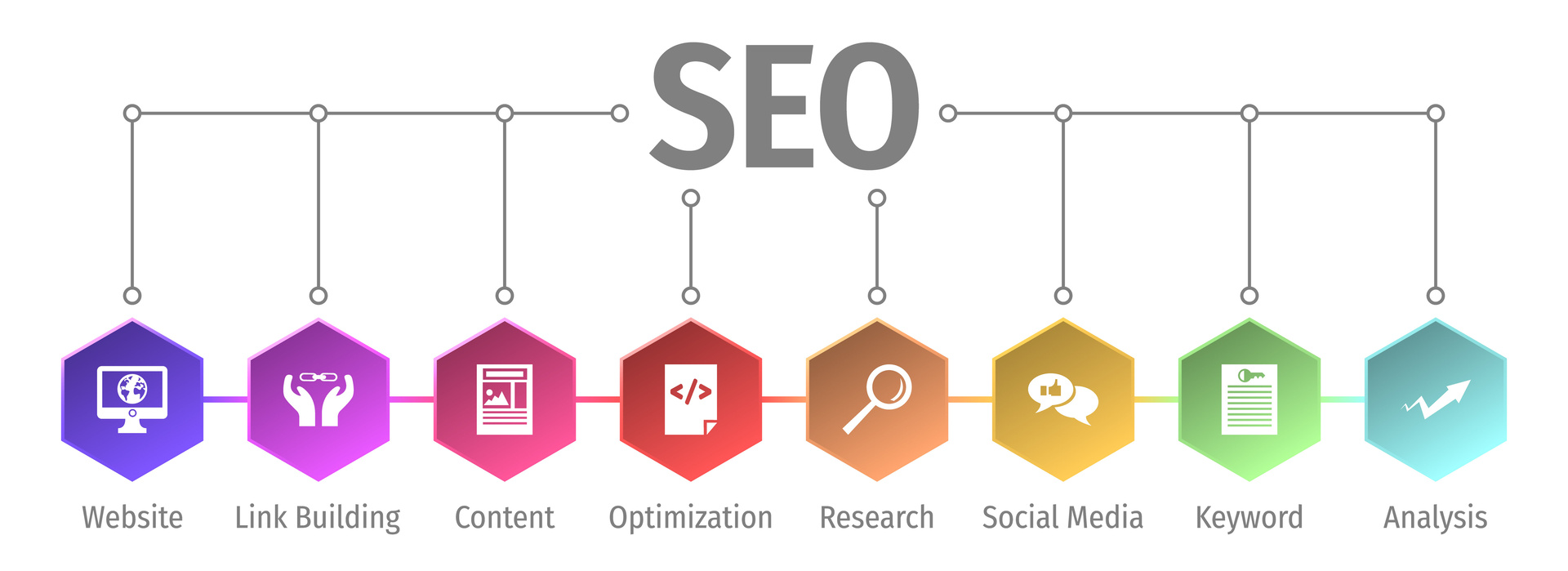
On-page SEO refers to the optimization of individual web pages to improve relevance and clarity for search engines. This includes elements such as title tags, meta descriptions, header structure, internal linking, keyword placement, and content organization. Each of these components contributes to how search engines interpret the subject matter and determine whether a page aligns with user intent.
Content indexing begins when search engine crawlers access a webpage and analyze its structure and information. If a page lacks clarity or contains inconsistent signals, indexing may be delayed or incomplete. On-page SEO provides a framework that allows crawlers to efficiently process information and categorize content within search engine databases.
Header tags, including H1 through H6, establish a hierarchy that helps define the structure of a page. Proper use of these tags signals the primary topic and supporting subtopics, creating a logical flow that search engines can follow. This structure also improves readability, which indirectly supports indexing by encouraging longer engagement times and reduced bounce rates.
Keyword placement remains a significant factor, though modern indexing systems place greater emphasis on context rather than repetition. Strategic inclusion of relevant terms within headings, introductory paragraphs, and body content helps search engines associate the page with specific queries. Overuse or unnatural placement, however, can disrupt clarity and reduce indexing efficiency.
Meta tags provide another layer of communication between a webpage and search engines. Title tags summarize the page’s primary focus, while meta descriptions offer additional context. Although meta descriptions do not directly impact rankings, they influence click-through rates, which can affect how indexed content performs over time.
Internal linking strengthens the indexing process by connecting related pages within a website. These links guide search engine crawlers through site architecture, ensuring that deeper pages are discovered and indexed. A well-structured internal linking system distributes authority across pages and reinforces thematic relevance.
Page speed and mobile responsiveness also contribute to indexing outcomes. Search engines prioritize pages that load efficiently and adapt to various devices. Slow load times or poor mobile usability can limit crawl frequency and reduce the likelihood of consistent indexing.
Content quality remains a foundational element. Search engines analyze factors such as originality, depth, and relevance when determining whether to index a page. Thin or duplicated content may be excluded from indexing altogether, while comprehensive and well-organized content is more likely to be included and ranked.
Schema markup introduces structured data that enhances how search engines interpret specific elements on a page. This can include information about products, services, events, or articles. By providing additional context, schema markup supports more accurate indexing and can lead to enhanced search result displays.
According to Brett Thomas, owner of Rhino Web Studios in New Orleans, Louisiana, on-page SEO serves as the foundation for how content is understood by search engines. “Search engines rely on structure and clarity to determine where content belongs,” said Thomas. “When a page is properly organized and aligned with its topic, indexing becomes more consistent and more predictable.”
The relationship between on-page SEO and indexing continues to evolve alongside advancements in artificial intelligence and machine learning. Search engines now evaluate semantic relationships between words and phrases, allowing for a deeper understanding of content beyond simple keyword matching. This shift places greater importance on natural language and topic relevance.
Crawl budget also plays a role in indexing, particularly for larger websites. Search engines allocate a limited number of resources to crawl each site. Efficient on-page SEO ensures that important pages are prioritized and indexed, while less critical pages do not consume unnecessary resources.
Duplicate content presents a challenge for indexing, as search engines must determine which version of a page to include. Canonical tags help resolve this issue by indicating the preferred version. Proper implementation of canonicalization supports accurate indexing and prevents fragmentation of content authority.
Image optimization contributes to indexing by providing additional context through alt text and file naming conventions. Search engines cannot interpret images in the same way as text, so descriptive attributes help associate visual elements with relevant topics.
URL structure also influences indexing. Clean, descriptive URLs that reflect the content of a page improve both user experience and search engine understanding. Complex or ambiguous URLs may reduce clarity and hinder indexing efficiency.
As digital content continues to expand, the importance of on-page SEO in content indexing remains evident. Each element within a webpage contributes to how search engines interpret, categorize, and store information. When these elements are aligned, the indexing process becomes more effective, allowing content to reach its intended audience through search visibility.
Ongoing adjustments to on-page SEO strategies reflect the dynamic nature of search engine algorithms. Monitoring performance, updating content, and refining structure ensure that indexed pages remain relevant over time. In a landscape shaped by constant change, the principles of clarity, organization, and relevance continue to guide successful indexing practices.
Morgan Thomas
Rhino Digital, LLC
+1 504-875-5036
email us here
Visit us on social media:
Facebook
Legal Disclaimer:
EIN Presswire provides this news content “as is” without warranty of any kind. We do not accept any responsibility or liability
for the accuracy, content, images, videos, licenses, completeness, legality, or reliability of the information contained in this
article. If you have any complaints or copyright issues related to this article, kindly contact the author above.

Media gallery