Hiawassee, GA, plumbers discuss how to spot and prevent a faulty toilet before it leads to major home issues
Marble, United States – April 27, 2026 / All About Plumbing and Backhoe Services Inc. /
How to Better Care for a Home’s Toilets
A toilet is one of the most used fixtures in any home, yet it rarely receives attention until something goes wrong. Knowing what warning signs to watch for and how daily habits affect the plumbing system can save homeowners from costly toilet repairs and unexpected disruptions. Taking a proactive approach to toilet care is one of the simplest ways to protect both the fixture and the plumbing system connected to it.
Signs a Toilet Needs Repair or Replacement
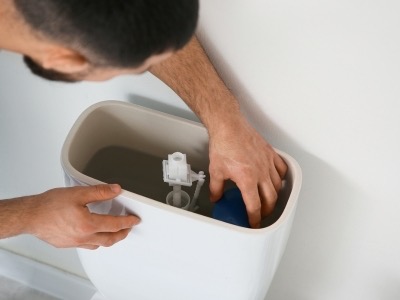 A toilet that runs constantly is one of the most common indicators that something inside the tank is no longer functioning as it should, whether that points to a worn flapper, a faulty fill valve, or another internal component in need of attention. Visible leaks around the base or from the tank are another clear signal that the toilet requires a closer look from a professional before water damage has the chance to spread. Frequent clogs, weak flushes, and incomplete flushes that leave waste behind round out the most telling signs that a toilet is struggling to perform its basic function.
Cracks in the porcelain of the tank or bowl carry their own urgency, as even a small crack can worsen over time and eventually lead to a significant water leak inside the home. A toilet that seems to demand constant repairs is also sending a message worth heeding, since recurring issues often indicate that the fixture has reached the end of its reliable service life. At a certain point, the cost of repeated repairs outweighs the investment of a straightforward replacement.
Age is a factor that does not always announce itself loudly but carries significant weight when evaluating a toilet’s condition. Toilets that are over 25 years old tend to be far less water-efficient than modern models, consuming more water per flush than current standards require and driving up utility bills in the process. An older toilet that wastes water and money every single day makes a strong case for replacement, even when it has not yet reached the point of obvious failure.
Tips for Preventing Toilet Clogs
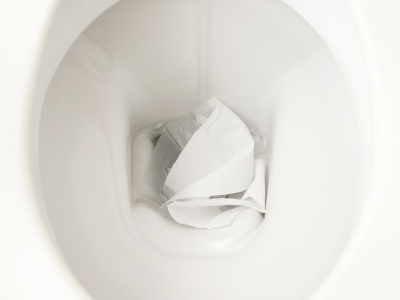 The most effective way to prevent a clogged toilet is to be intentional about what goes into it, starting with a simple rule that only human waste and toilet paper belong in the bowl. Items like paper towels, facial tissues, wet wipes, dental floss, cotton balls, and similar products may seem harmless when flushed, but these materials do not break down in water the way toilet paper is designed to. Even products marketed as flushable have been known to cause blockages in household plumbing, making it worth keeping a wastebasket nearby for anything that is not toilet paper.
Toilet paper itself can become a source of clogs when too much is used or flushed at once, overwhelming the drain and creating a blockage before the material has a chance to move through the pipe. Being mindful of how much toilet paper is used per flush is a small habit adjustment that can prevent a surprisingly large number of avoidable clogs over time. Flushing in smaller amounts or breaking a single flush into multiple shorter ones when more paper is needed keeps the drain flowing freely without restriction.
Teaching everyone in the household about what the toilet is and is not designed to handle goes a long way toward preventing repeated plumbing problems. Children are especially likely to flush objects out of curiosity, and a quick conversation about proper toilet use can prevent a call to a plumber before it ever becomes necessary. Simple habits practiced consistently are the most reliable defense against the inconvenience and expense of a clogged toilet.
How Sewer Lines Impact Toilets
The toilet is the most visible point of contact in a plumbing system, but the sewer line running beneath the home is what ultimately determines how well that toilet drains. When a sewer line develops a clog or obstruction, the effects travel back through the connected plumbing and often show up first as frequent toilet clogs or backups inside the bowl. What appears to be a simple toilet problem can sometimes trace its roots to a much deeper issue within the sewer line itself.
What goes down the toilet does not stop affecting the plumbing system at the drain, and items that make it past the toilet without causing an immediate clog can continue traveling through the pipes until they accumulate into a sewer line obstruction. Dental floss, wipes, grease, and other materials that should not be flushed are common contributors to sewer line clogs that develop gradually over time. A toilet that seems to be functioning normally may be quietly contributing to a growing problem further down the line.
Recognizing that the toilet and the sewer line are part of the same connected system changes how plumbing problems are approached and understood. Slow drains, gurgling sounds, and persistent backups that do not resolve with standard remedies are often signs that a sewer line inspection is warranted. Catching a sewer line issue early keeps a manageable situation from escalating into a full-scale plumbing emergency that disrupts the entire home.
Contact All About Plumbing and Backhoe Services Inc.
All About Plumbing and Backhoe Services Inc. is a family-owned plumbing company serving Hiawassee, GA, and beyond. They offer straightforward pricing, 24/7 live answer, and the latest technology. Call them today for clogged toilet repair in Hiawassee, GA.


Contact Information:
All About Plumbing and Backhoe Services Inc.
144 Burnt Branch Rd
Marble, NC 28905
United States
Steve Cleveland
(828) 662-3513
https://plumbersmurphy.com/