
Key Takeaways
- Veneers can address a wide range of cosmetic concerns — from chipped or broken teeth to stubborn staining and unwanted gaps — often with results that look completely natural.
- The two main veneer types are composite and porcelain, each with different price points, lifespans, and suitability depending on individual needs.
- No preparation 3D printed veneers offer a less invasive route to a transformed smile — with little to no drilling involved; read on to find out how the process actually works.
- The right veneer option depends on more than just budget — factors like tooth condition, desired longevity, and sensitivity to drilling all play a role.
Veneers have become one of the most popular cosmetic dental treatments in the UK — and for good reason. They can make a significant difference to the appearance of a smile without requiring the extensive work that comes with some other dental procedures. But with several options on the market and a fairly wide cost range, it helps to understand what’s actually involved before booking a consultation.
Veneers Can Fix Chips, Gaps & Staining — With Options to Suit Most Budgets
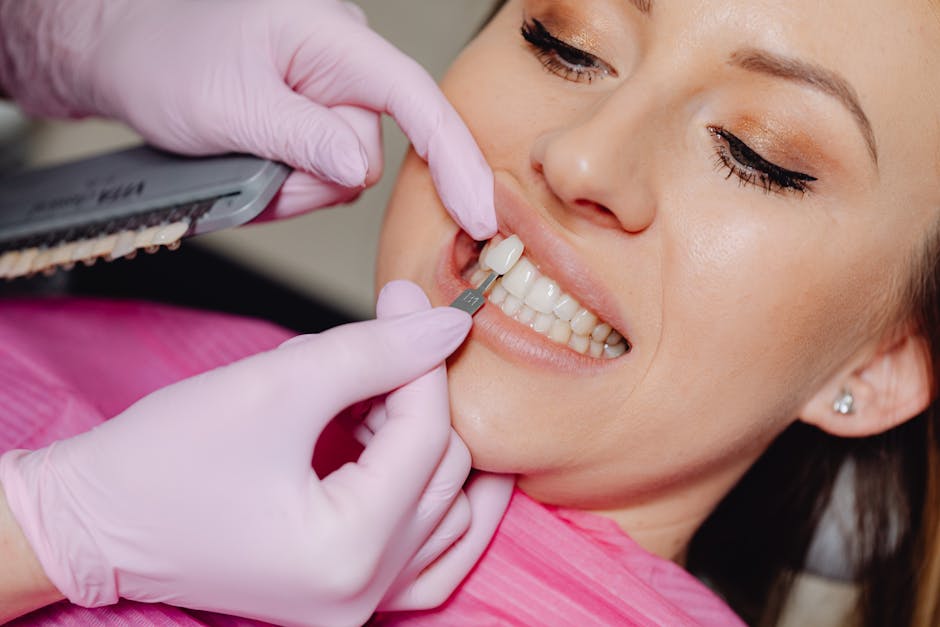
Whether it’s a single chipped tooth that’s been bothering someone for years, or a handful of teeth affected by discolouration that whitening just won’t touch, veneers are one of the more versatile tools available in cosmetic dentistry. They work by covering the front surface of a tooth with a custom-shaped layer of material — either composite resin or porcelain — that’s matched to blend naturally with the surrounding teeth.
What makes veneers particularly appealing is that they offer meaningful cosmetic improvement without the need for more involved treatments like crowns or orthodontic work. And with techniques like no-preparation 3D printed veneers, there’s now a route to a better-looking smile that requires even less intervention than traditional veneer procedures. Arnold Dental & Implant Centre, based in Nottingham, offers this approach alongside more established veneer options — making it a useful reference point for anyone weighing up their choices.
The cost of veneers varies depending on the material used and the number of teeth being treated, but there are options available across a range of budgets — which is worth keeping in mind before assuming veneers are out of reach.
What Problems Do Veneers Actually Solve?
Veneers are used to treat a range of cosmetic dental concerns, and it’s worth being specific about what they can and can’t do. They’re primarily a cosmetic solution, meaning they improve the appearance of teeth rather than addressing structural or health-related issues. That said, they cover a surprisingly broad spectrum of concerns.
Chipped or Broken Teeth
A chip or small break in a tooth is one of the most common reasons people look into veneers. Rather than leaving the affected area vulnerable or visually distracting, a veneer — or a bonded composite alternative — can rebuild the tooth back into its natural shape. The result is a surface that looks intact and feels stable, without the need for more extensive restorative work like a crown.
Discolouration and Staining
Some types of tooth discolouration don’t respond well to whitening treatments — particularly staining caused by certain medications, fluorosis, or internal tooth changes. Veneers work differently: rather than lightening the existing tooth, they place a new, tooth-coloured surface over it. Because the composite or porcelain is carefully shade-matched, a previously discoloured tooth can blend seamlessly into the rest of the smile.
Unwanted Gaps Between Teeth
Gaps between teeth — even small ones — can feel disproportionately noticeable to the person who has them. Veneers and composite bonding can be shaped to widen the tooth slightly, effectively closing the gap without orthodontic treatment. For larger gaps, this approach may be used alongside other options, but for minor spacing issues, it’s often a straightforward and effective fix that delivers a more uniform-looking smile.
Composite vs Porcelain: Which Veneer Is Right for You?
The choice between composite and porcelain veneers isn’t simply a matter of price — both materials have distinct characteristics that make them better suited to different situations. Understanding the trade-offs helps make the decision feel less overwhelming.
Composite Veneers: Lower Upfront Cost, Shorter Lifespan
Composite veneers are made from a tooth-coloured resin material that’s applied directly to the tooth surface, shaped, and hardened in a single appointment. This makes them a quicker and more affordable option upfront. Across the UK, composite veneers are generally estimated to range from around £200 to £850 per tooth, and industry figures suggest they typically last somewhere in the region of five to seven years with good care.
The main trade-off is longevity — composite is more prone to chipping and staining over time than porcelain. That said, they’re also easier to repair if damage does occur, which is a practical advantage for some people. For those testing the water with veneers before committing to a longer-term solution, composite can be a sensible starting point.
Porcelain Veneers: Longer Lasting and Highly Stain Resistant, Though Not Entirely Immune at the Margins
Porcelain veneers are crafted in a laboratory from a ceramic material and bonded to the tooth in a second appointment. They’re considerably more durable than composite — lasting ten to fifteen years or more with proper care — and the porcelain surface itself is highly resistant to staining. It’s worth noting, however, that the margins where the veneer meets the natural tooth can be slightly more susceptible over time, so good oral hygiene remains important.
Porcelain also tends to produce a more lifelike, translucent appearance, which is why it’s often the preferred choice for a complete smile makeover. The trade-off is cost and the fact that traditional porcelain veneers typically require some tooth preparation — a point that becomes relevant when comparing them to newer, less invasive alternatives.
No Preparation 3D Printed Veneers: A Less Invasive Option
Traditional veneers — particularly porcelain — have historically required some degree of tooth preparation. This usually means removing a thin layer of enamel from the front of the tooth to create space for the veneer to sit flush. It’s a minor procedure in the grand scheme of dental work, but it is irreversible, which gives some people pause. No preparation 3D printed veneers address this concern directly.
No Drilling and Minimal Enamel Removal
As the name suggests, no preparation 3D printed veneers require little to no drilling and minimal enamel removal. This makes the procedure considerably more comfortable for anyone who feels anxious about dental work, and it sidesteps one of the main hesitations people have about traditional veneers. The absence of drilling also means the appointment itself tends to be less daunting — local anaesthetic is not required in most cases.
Ultra-Thin Layers Built Up to Match Your Natural Teeth
The 3D printed approach uses advanced ceramic nanohybrid resin materials that are applied in very thin, precisely shade-matched layers designed to complement the surrounding teeth. The material offers a combination of strength, durability, and translucency that allows for results that look genuinely natural rather than obviously artificial. Shade matching at this level of precision is one of the clearer advantages of the digital workflow underpinning this technique.
Preserves Healthy Tooth Structure — Though Bonded Veneers Are Generally a Permanent Commitment
Because so little or no natural tooth structure is removed, the underlying tooth is largely preserved. This is sometimes described as being potentially reversible in clinical literature, and research does indicate that no-prep veneers carry a lower irreversibility risk than prepared alternatives. That said, any bonded veneer treatment should be considered a long-term commitment — the bonding agent and composite do create a lasting bond with the tooth surface. Anyone considering this treatment would do well to discuss the full picture with their dentist during a consultation.
What Does the 3D Printed Veneer Process Involve?
The treatment process for no-preparation 3D printed veneers is more straightforward than many people expect. The layered composite approach means the work is carried out chair-side over the course of the visit, without impressions sent away to a lab or multiple lengthy appointments.
The tooth surface is prepared, and a liquid bonding agent is applied. Dental composite — a tooth-coloured, putty-like material — is then applied to the tooth and carefully moulded and shaped to replicate the natural tooth form. A professional dental light is used to harden each layer before the next is added. This build-up process continues until the desired cosmetic result is achieved.
Once the final shape is in place, the fit and bite are checked to make sure no sensitivity has been introduced. Aftercare advice is provided so the result can be maintained properly over the long term. Patient feedback on no-prep veneers has consistently highlighted the drill-free, numb-free experience as a major positive, which reflects well on what the process actually feels like in practice.
The use of 3D printing and digital workflows in this type of treatment also has practical benefits beyond the clinical ones: streamlined processes can reduce chair time and material complexity compared to traditional lab-based veneer production.
Less Invasive Than You’d Expect: Book a Veneer Consultation
Veneers have a reputation for being a fairly involved cosmetic dental procedure — but as this overview shows, that’s increasingly less true. Whether it’s composite for a more affordable fix, porcelain for a longer-lasting result, or a no-preparation alternative for those who want to preserve as much natural tooth structure as possible, there’s a meaningful route available depending on individual circumstances.
The right choice ultimately comes down to more than budget. Existing enamel condition, the extent of discolouration or damage, and personal comfort with dental work all factor into which option holds up best over time. Getting a proper clinical assessment is the most reliable way to land on an approach that suits both the teeth and the person.
Arnold Dental & Implant Centre
77C High Street, Arnold
Nottingham
Nottinghamshire
NG5 7DJ
United Kingdom


