
Hanzhong, China-October 19,2026
So, the global dry transformer market keeps a lot of places running—factories, hospitals, renewable projects, data centers, and commercial buildings. A dry transformer uses air or solid insulation rather than a liquid cooling medium. That design can cut down fire worries and make indoor installation less of a headache.In this guide, we look at ten manufacturers that tend to stand out: Schneider Electric, Siemens Energy, ABB, Eaton, Hitachi Energy, GE Vernova, TMC Transformers, MGM Transformer Company, Hammond Power Solutions, and Fuji Electric. They don’t all shine in the same way, of course. Some are strong in cast-resin tech, others in low-voltage distribution, medium-voltage systems, energy efficiency, or custom engineering. Their products can end up serving very different operating conditions.Specs matter more than brand name alone. Buyers should compare rated power, voltage class, insulation level, temperature rise, sound emissions, enclosure protection, and certification requirements. Installation space matters too. A compact Transformer Dry design might not perform well if ventilation is restricted. And from field experience, heat, dust, humidity, and irregular loading can really change how long a transformer lasts.Not every manufacturer fits every project. That’s easy to overlook. Product availability, technical support, testing procedures, and local service networks deserve just as much attention. This overview isn’t meant to be an absolute ranking. Think of it more as a practical starting point for evaluating established suppliers around the world. Some comparisons stay imperfect because product ranges and regional models change all the time. So before finalizing a purchase, lean on independent datasheets, factory documentation, and advice from qualified engineers.
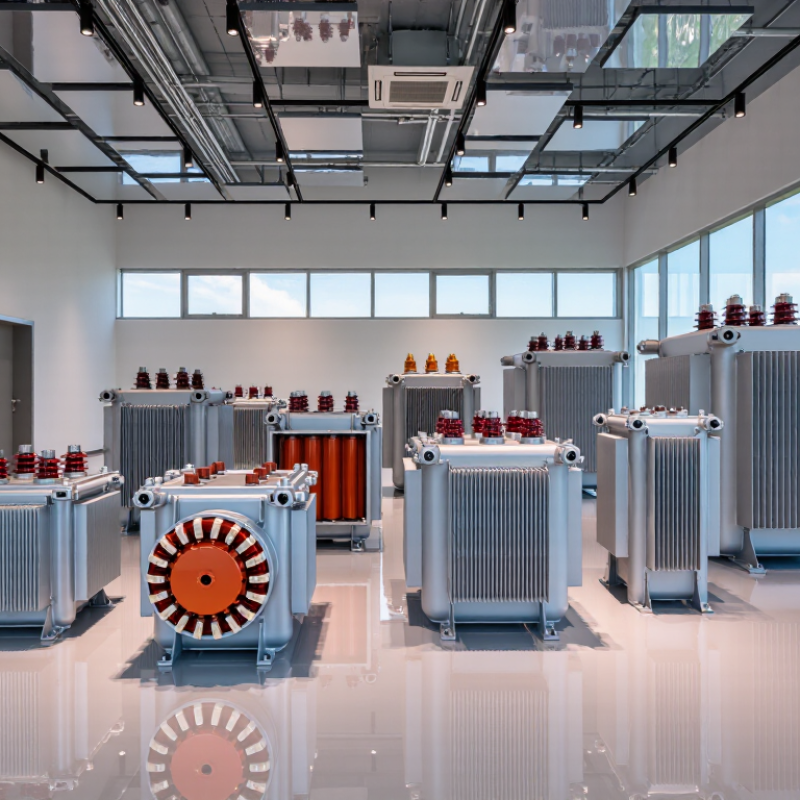
What Are Dry-Type Transformers and Where Are They Used?
A Dry Transformer transfers electrical energy without liquid insulation. It uses air and solid materials, often epoxy resin. This design reduces leak risks and simplifies indoor installation. Dry-type units are common in hospitals, schools, offices, tunnels, factories, and renewable-energy facilities. They usually sit near the load, reducing cable length and voltage loss.Fortune Business Insights estimated the global dry-type transformer market at about USD 17 billion in 2023. Its report projects continued growth through 2032, supported by urban construction, grid upgrades, and renewable generation. Market figures differ between research firms, so exact values deserve caution. IEC 60076-11 defines key requirements for dry-type transformers, including insulation systems, temperature performance, and fire behavior. In practice, engineers still need to check altitude, humidity, dust, ventilation, and harmonic currents.Tips: Measure the installation room before selecting a Dry Transformer. Leave clear airflow around the enclosure. A compact unit can run hot when ventilation is poor. Check the load profile, not only the nameplate rating. For data centers or variable-speed drives, request harmonic and noise evaluations. Dry insulation is not maintenance-free; inspect terminals, filters, and cooling paths regularly. I have seen projects focus on fire safety while overlooking sound levels and future load growth. That mistake can become expensive.
Top 10 Dry Transformer Manufacturers Worldwide? – What Are Dry-Type Transformers and Where Are They Used?The table below summarizes ten widely manufactured dry-type transformer configurations and their typical applications. Ratings and voltages are general industry ranges and vary by design, country, and project requirements.
| No. | Dry-Type Transformer Configuration | Typical Rating Range | Typical Voltage Range | Insulation or Cooling Method | Common Installation Areas | Primary Advantages |
|---|---|---|---|---|---|---|
| 1 | Cast-Resin Distribution Transformer | 100 kVA–20 MVA | Up to approximately 36 kV | Epoxy-resin encapsulated windings; air-cooled | Commercial buildings, hospitals, airports, data centers, and industrial plants | Low fire risk, strong moisture resistance, limited maintenance, and suitable for indoor installation |
| 2 | VPI Transformer | 100 kVA–25 MVA | Up to approximately 36 kV | Vacuum pressure impregnated insulation; natural or forced air cooling | Manufacturing facilities, infrastructure projects, utility substations, and renewable-energy systems | Good thermal performance, repairable windings, and flexible design for medium- and high-duty applications |
| 3 | Open-Wound Ventilated Transformer | 15 kVA–5 MVA | Low voltage to approximately 15 kV | Varnish or resin-treated windings with ventilated enclosure | Indoor commercial facilities, machine rooms, workshops, and general industrial loads | Competitive cost, straightforward construction, and convenient access for inspection and servicing |
| 4 | Medium-Voltage Unit Substation Transformer | 500 kVA–10 MVA | Approximately 2.4–35 kV primary voltage | Cast-resin or VPI insulation with air cooling | Factories, large buildings, campuses, transport systems, and utility-connected facilities | Compact power distribution, reduced fire hazard, and integration with switchgear and protection equipment |
| 5 | Dry-Type Generator Step-Up Transformer | 1 MVA–30 MVA | Low-voltage generator output to medium-voltage grid connection | Cast-resin or VPI windings; AN or AF cooling | Power plants, emergency-generation systems, microgrids, and combined heat and power facilities | Safe indoor operation, reduced environmental contamination risk, and compatibility with generator systems |
| 6 | Solar and Wind Power Transformer | 100 kVA–10 MVA | Typically 0.4–35 kV | Cast-resin or VPI insulation; natural or forced air cooling | Photovoltaic plants, wind farms, battery-storage systems, and renewable-energy substations | Suitable for variable loading, low fire risk, reduced spill concerns, and compatibility with inverter-based systems |
| 7 | Traction and Transportation Transformer | 500 kVA–15 MVA | Typically up to 36 kV | Reinforced VPI or cast-resin insulation; air-cooled design | Railway substations, metro systems, tunnels, ports, and electric-vehicle infrastructure | High mechanical strength, resistance to vibration, low fire and smoke risk, and suitability for confined spaces |
| 8 | Marine and Offshore Dry Transformer | 100 kVA–10 MVA | Low voltage to approximately 24 kV | Marine-grade VPI or cast-resin insulation with corrosion-resistant enclosure | Ships, offshore platforms, marine terminals, and coastal industrial facilities | Resistance to humidity, salt-laden air, vibration, and restricted installation environments |
| 9 | Furnace and Heavy-Industrial Transformer | 1 MVA–25 MVA | Typically up to 36 kV | Reinforced insulation with forced-air cooling where required | Steel mills, foundries, cement plants, chemical plants, and large process industries | High short-circuit withstand capability, robust thermal design, and suitability for demanding load cycles |
| 10 | Isolation and Special-Purpose Transformer | 5 kVA–5 MVA | Low voltage to approximately 15 kV | Air-cooled insulated windings; electrostatic shielding may be included | Medical facilities, laboratories, control systems, automation lines, and sensitive electronic equipment | Galvanic isolation, reduced electrical noise, improved power quality, and enhanced equipment protection |
Key definition: A dry-type transformer transfers electrical energy without liquid insulation or cooling oil. Its windings are insulated with solid materials such as epoxy resin, varnish, paper, or other rated insulation systems, while heat is removed through natural or forced air circulation. Common reference standards include IEC 60076-11 and IEEE C57.12.01, subject to the requirements of the target market and project specification.How to Evaluate the World’s Leading Dry Transformer Manufacturers
Evaluating the world’s leading dry transformer manufacturers requires more than counting revenue or factory size. MarketsandMarkets projects the global dry-type transformer market to grow from about USD 6.5 billion in 2024 to USD 9.1 billion by 2029. Growth alone does not prove engineering quality. Buyers should examine tested capacity, failure records, delivery performance, and service coverage.
Start with compliance. IEC 60076-11 defines key requirements for dry-type transformers, including insulation systems, temperature rise, and routine testing. Ask for independent type-test reports, not only brochures. Compare no-load losses, load losses, sound levels, partial-discharge results, and thermal performance. A transformer operating beside a hospital corridor needs different acoustic control than one installed in a dusty factory. The details matter.
The U.S. Department of Energy’s distribution-transformer efficiency rules also make loss evaluation commercially important. A lower purchase price can become expensive through decades of energy waste. Review the manufacturer’s winding materials, resin process, cooling design, and quality-control records.
Check whether technicians can reach the site quickly. Review spare-part policies too. No scorecard is perfect. Supplier data may use different test conditions, making comparisons uneven. I would assign weighted scores, then verify the highest-ranked candidates through reference sites, factory audits, and witnessed testing. Ten manufacturers may look similar on paper. Their field discipline often differs sharply.
Global Market Factors Shaping Dry Transformer ManufacturingTop 10 Dry Transformer Manufacturers Worldwide?Global Market Factors Shaping Dry Transformer Manufacturing
Dry transformer manufacturing is changing with demand from data centers, hospitals, rail systems, and renewable power projects. These sites often require safer indoor equipment with low maintenance needs. A Dry Pack Transformer can fit compact electrical rooms, especially where oil-filled units create additional fire concerns.
Material costs strongly influence factory decisions. Copper prices, electrical steel availability, and resin supply can change quotations within weeks. Skilled labor also matters. During factory inspections, winding accuracy, resin curing, and insulation testing reveal more than polished brochures. Small air gaps can increase noise and heat. They should not be ignored.
Regional grid standards shape product design. Manufacturers must adapt voltage ratings, temperature limits, enclosure protection, and testing procedures for each market. Demand is also moving toward lower losses and better monitoring. Sensors now track temperature, partial discharge, and unusual vibration. Yet digital features do not replace sound engineering. A weak cooling design remains weak.
Supply chain resilience has become a purchasing factor. Buyers increasingly check local service teams, spare-part access, and delivery history. Sustainability adds pressure to reduce material waste and improve energy efficiency. However, comparing the top ten manufacturers only by revenue can mislead. A smaller producer may provide stronger field support or better customization. That judgment needs verified test records, references, and realistic lifecycle costs.
Profiles of the Top 10 Dry Transformer Manufacturers Worldwide
The worldwide dry transformer market includes manufacturers with different strengths, not identical product lines. One leading group focuses on cast-resin units for hospitals, tunnels, and high-rise buildings. Its designs emphasize fire resistance and low maintenance. Another group builds open-wound transformers for factories, workshops, and commercial networks. Engineers often value their accessible inspection points. A third manufacturer serves renewable-energy projects, producing compact units for solar inverters and wind substations. Tight enclosures matter in dusty locations.
Several established producers specialize in medium-voltage distribution equipment. Their teams test insulation, temperature rise, partial discharge, and acoustic performance before shipment. One manufacturer supports demanding mining projects with reinforced frames and sealed cabinets. Another develops customized units for marine and coastal sites, where salt exposure can shorten service life. A further supplier combines transformers with switchgear and monitoring systems, simplifying installation. This can reduce commissioning delays.
The remaining manufacturers compete through flexible engineering and regional service. One produces a Dry Core Transformer for data centers, where stable voltage and low noise are essential. Another concentrates on high-efficiency designs that reduce operating losses during long service cycles. The tenth profile represents smaller, responsive factories that adapt winding layouts, tap ranges, and enclosure dimensions quickly. Their customer support may be excellent, but capacity can be limited. Rankings remain imperfect. Project records, testing evidence, warranty terms, and technician experience deserve more attention than advertising claims. A careful buyer should inspect factory procedures, maintenance access, ventilation requirements, and real delivery performance before selecting a supplier.
Comparison of Technologies, Product Ranges, and Industry ApplicationsTop 10 Dry Transformer Manufacturers Worldwide?
The leading ten manufacturers compete through insulation systems, thermal design, efficiency, and application support. Cast-resin transformers provide strong moisture resistance for factories, hospitals, tunnels, and high-rise buildings. Vacuum-pressure-impregnated units often suit commercial facilities, renewable-energy sites, and indoor substations. Both technologies can be reliable, but installation conditions matter more than marketing claims.
Product ranges usually cover low-voltage distribution units, medium-voltage transformers, isolation transformers, and custom industrial models. Some manufacturers focus on compact units for crowded electrical rooms. Others produce high-capacity equipment for data centers, rail networks, mining operations, and solar farms. Engineers should examine temperature-rise data, partial-discharge performance, acoustic levels, fire behavior, and service access. A wide catalog is useful, yet it may hide limited expertise in specialized projects. That deserves careful questioning.
Tips: Request tested efficiency figures, not only catalog ratings. Check local service capacity and spare-part timelines. Compare enclosure protection with actual dust and humidity exposure. Ask for references from similar facilities. Also, confirm how the transformer performs under frequent load changes. Small details matter. A practical site inspection can reveal ventilation problems, cable limitations, or noise concerns before purchase. Manufacturers with transparent test reports and clear maintenance guidance are generally easier to evaluate, although no supplier is perfect.
How to Choose the Right Dry Transformer Manufacturer for Your Project
Choosing the right Dry-Type Transformer manufacturer requires more than comparing purchase prices. Start with your project conditions. Check rated power, voltage, frequency, altitude, humidity, indoor space, and cooling method. A manufacturer should explain how its design fits these requirements.
Ask for independent test reports, routine inspection records, and relevant quality certifications. Review the factory’s winding process, insulation controls, and final testing equipment. Good manufacturers can provide clear data for temperature rise, partial discharge, noise, and short-circuit performance. They should also answer technical questions without hiding behind vague promises.
Look closely at field experience. Request references from projects with similar loads, environments, and operating schedules. A transformer serving a hospital has different expectations from one used in a dusty workshop. Check delivery history, spare-parts support, installation guidance, and response time after commissioning. Site support matters.
Do not choose from a polished brochure alone. Visit the production facility when possible. Observe cleanliness, material storage, labeling, and test procedures. These details often reveal discipline. The cheapest offer may become expensive through delays, overheating, or difficult maintenance. Yet a higher price is not automatic proof of better quality. Compare evidence, not confidence. One detail may still be missed, even after careful review. Keep a written requirement list, and ask the manufacturer to confirm every point before signing.
Conclusion
This article provides a practical overview of the global dry transformer industry, beginning with an explanation of what a Dry Transformer is, how it operates, and why it is widely used in commercial buildings, renewable energy systems, industrial facilities, transportation networks, and infrastructure projects. It also outlines the key criteria for evaluating leading manufacturers, including engineering capability, product reliability, safety performance, energy efficiency, customization, testing standards, service support, and international production capacity.The article then examines major market factors influencing dry transformer manufacturing, such as electrification, urban development, renewable power integration, environmental requirements, and demand for dependable indoor substations. It presents a comparative review of ten leading manufacturers without focusing on brand promotion, highlighting differences in technologies, voltage ranges, cooling methods, product portfolios, and application expertise. Finally, it offers practical guidance for selecting the right supplier by considering project conditions, load requirements, installation environment, lifecycle costs, delivery capability, technical support, and long-term maintenance needs.
About us
Hanzhong Xinsanhuan Transformer Co., Ltd. is a professional transformer manufacturer located in Hanzhong City, Shaanxi Province, China—a renowned historical and cultural city known for its strategic geographical location at the heart of the country. Since its establishment, the company has been dedicated to the research, development, design, manufacturing, and service of high-quality power transmission and distribution equipment, providing reliable solutions to customers across domestic and international markets.
Media Contact
Company Name: Hanzhong Xinsanhuan Transformer Co., Ltd.
Contact Person: Media Relations
Email: Send Email
Country: China
Website: https://www.sxhztransformer.com/
Press Release Distributed by ABNewswire.com
To view the original version on ABNewswire visit: Leading Dry-Type Transformer Manufacturers Shape Global Power Distribution Markets


